The campaign report says the ads are performing. Click-through rate is healthy, cost per click is stable, and the audience is reaching the right people. Then the sales team says the enquiries are poor. Both can be true.
The ad is a promise. The page has to keep it.
A person clicks because the ad made a specific promise: a price, a location, a delivery time, a result. If the landing page opens with a generic brand statement, the visitor has to work to find the thing they clicked for. Most will not.
- Repeat the offer from the ad in the first screen of the page.
- Show the price or the pricing logic. “Contact us” is not a price.
- Put the proof near the action: reviews, delivery terms, guarantees, real photos.
- Make the next step obvious and short. Every extra field costs you enquiries.
- Check the page on a mid-range phone and a slow connection, not just your laptop.
Speed is a conversion feature
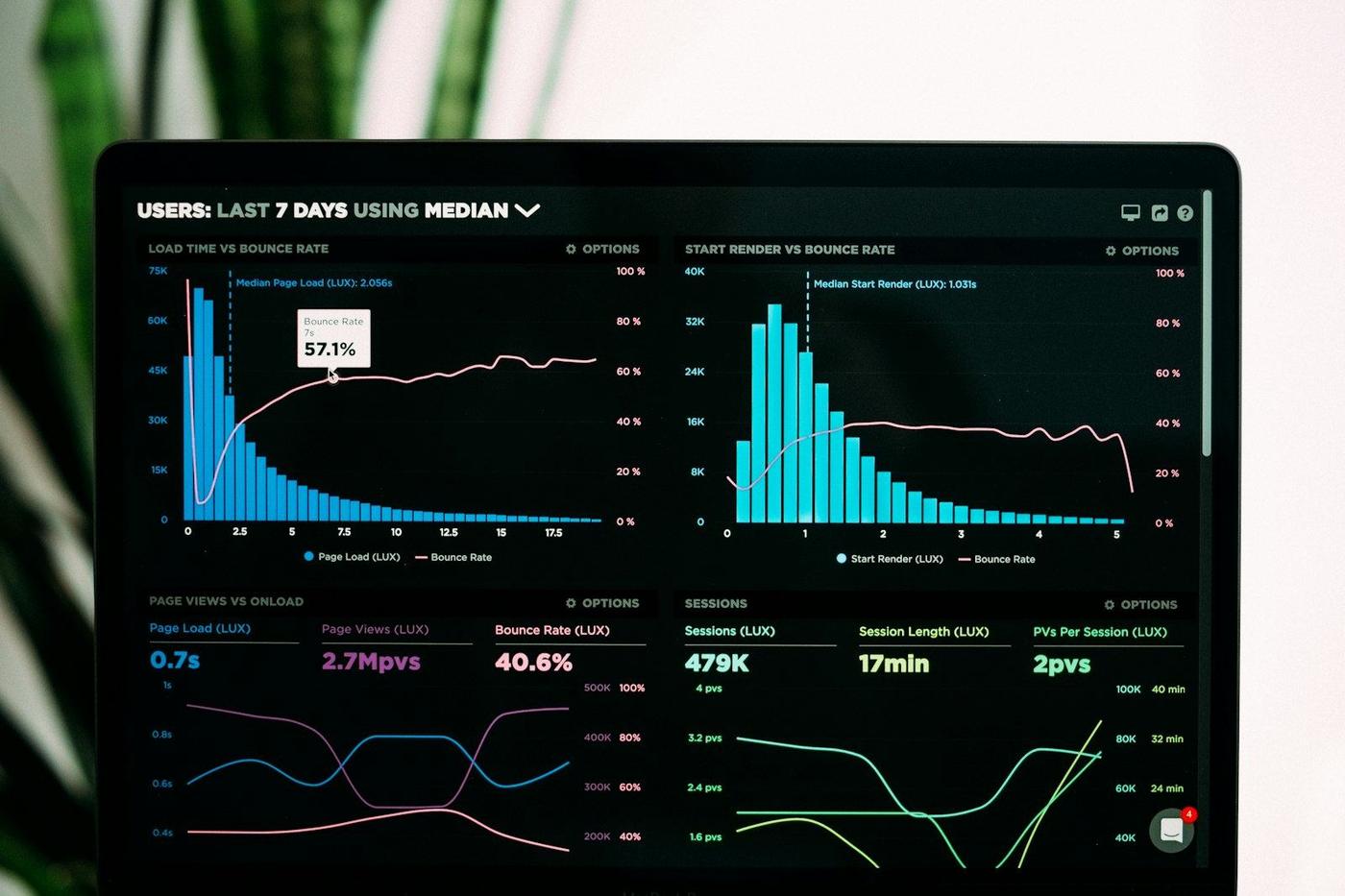
A page that takes six seconds to load loses people before they see the offer. Image weight is usually the cause. A hero image exported at 4MB, a carousel of uncompressed photos and three tracking scripts will do more damage than a mediocre headline.
Compress images, remove unused scripts and test the mobile experience on a real device. If the page still feels slow, the fix is technical, not a new coat of paint.
Track the enquiry, not the click
Many campaigns optimise for the wrong event because the right one was never tracked. A form submission is not always a lead. A WhatsApp click is not always a conversation. Define what a qualified enquiry looks like with the sales team, then track that.
- Record form submissions, calls and WhatsApp clicks as separate events.
- Pass the source of each lead into the CRM or the shared sheet.
- Ask new enquiries how they found you. Self-reported attribution catches what tracking misses.
- Review lead quality weekly, not only cost per lead.
- Feed the sales team’s notes back into the campaign brief.
Fix the offer before the creative
If the offer is weak, better design will only make it clearer that it is weak. Before producing another round of ads, answer three questions: is this genuinely useful to the buyer, is it different from what they can get elsewhere, and is the risk of trying it low enough?
A stronger guarantee, a clearer package or a smaller first commitment often beats a new headline. The ad’s job is to get the right person to the page. The page and the offer have to do the rest.
Cheap clicks are not a bargain if the page cannot turn them into conversations.